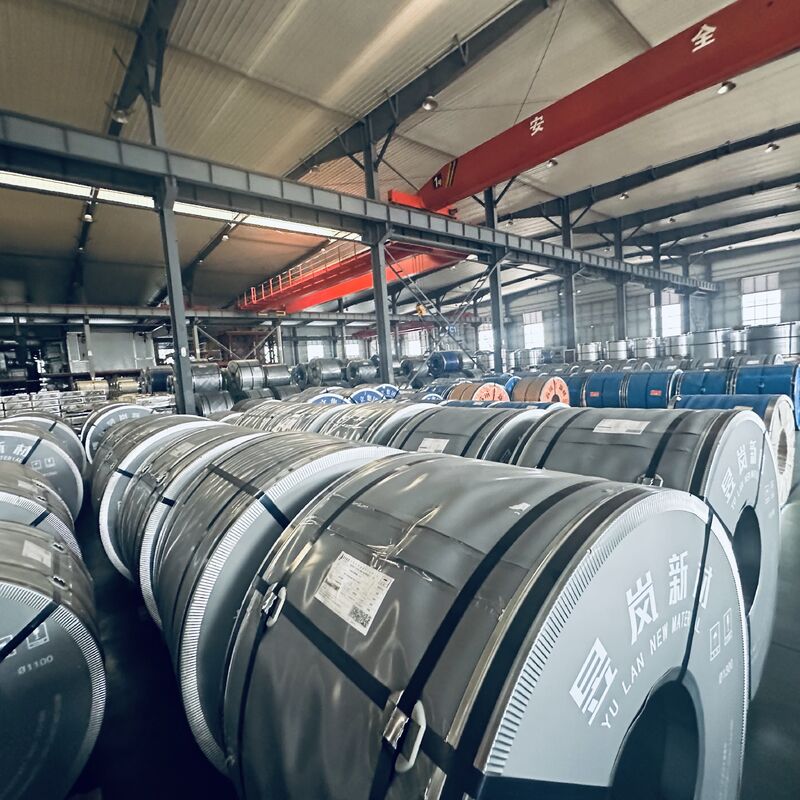
Pengantar Produk
Dalam pembuatan kontainer dalam volume besar, menyeimbangkan pengeluaran bahan baku dengan perlindungan fisik yang dapat diandalkan adalah kunci untuk mempertahankan profitabilitas pasar.20mm ketebalan Tinplate Coil dengan standar 2.8/2.8 g/m2 massa pelapis timah merupakan spesifikasi yang paling banyak digunakan di seluruh jaringan kemasan logam global.Diproduksi dengan menggunakan strip baja rendah karbon yang digulung dingin yang mengalami plating timah elektrolitik terus menerus, ukuran 0,20mm khusus ini berfungsi sebagai serbaguna, sangat dapat diandalkan bahan makanan bisa dioptimalkan untuk stamping otomatis kecepatan tinggi, scroll shearing, dan bentuk tubuh kaleng.
Tata letak pelapis yang sama 2,8/2,8 g/m2 memberikan perisai yang ekonomis namun sangat efektif yang mengisolasi inti baja mentah dari kelembaban lingkungan dan kimia makanan ringan.Setelah tahap deposisi timah, kumparan mengalami passivasi permukaan kimia yang tepat dan penerapan ringan pelumasan kelas makanan.Pengolahan yang cermat ini menciptakan topografi permukaan yang sangat seragam dengan gelombang tepi nolUntuk pabrik kalengan yang mengoperasikan jalur sewing dan pengolahan mekanis berkecepatan tinggi,bahan single-gauge ini memastikan hasil mekanik yang dapat diprediksi dan kinerja makan yang sempurna dari bungkus pertama dari kumparan untuk terakhir.
Fitur Produk Utama
Sifat teknis yang ditargetkan dari 0,20 mm tebal, 2,8/2,8 g / m2 kumparan tin plated kami memberikan kinerja kemasan yang andal, hemat biaya:
-
Profil Gauge 0,20mm yang seimbang: Menyediakan kekakuan struktural ideal yang diperlukan untuk menangani tekanan vakum dan pengolahan komersial tanpa menambahkan kelebihan berat badan,Menjaga biaya bahan yang sangat terkontrol.
-
Standar 2.8/2.8 g/m2 Massa Lapisan: Memberikan penghalang timah logam yang terus menerus, bebas lubang pin pada kedua permukaan,menawarkan pencegahan karat yang dapat diandalkan dan perlindungan kimia untuk semua kategori kemasan makanan umum.
-
Perekat Lacquer yang sangat baik: Penutup permukaan pasivasi menunjukkan energi permukaan yang optimal,memastikan ikatan kimia yang ketat dengan cat organik standar seperti lapisan epoksi-fenol atau organosol tanpa lubang pin.
-
Kekuatan output yang konsisten: Dianalisis dengan standar temperamen mekanik yang ketat (seperti T3 atau T4), baja mempertahankan elastisitas yang seragam di seluruh panjangnya,mencegah terpecah atau meringkuk secara lokal selama penggulingan berkecepatan tinggi.
Keuntungan Strategis Utama bagi Produsen
Memilih Koil Tinplate standar 0,20 mm kami dengan berat lapisan 2,8/2,8 g / m2 memberikan keuntungan finansial dan operasional yang jelas untuk fasilitas manufaktur kontainer global.Manfaat utamanya adalah kemampuan memprediksi produksiKarena ketebalan dan berat lapisan timah ini mewakili standar industri, operator garis kaleng dapat menjaga gunting gulung kecepatan tinggi mereka, garis pemotong, dan pembuat tubuh pada tetap,parameter yang dioptimalkanHal ini menghilangkan kebutuhan untuk kalibrasi alat yang sering, memperpendek waktu pergantian garis, dan secara signifikan mengurangi tingkat serpihan.
Selain itu, menggabungkan lapisan timah 2,8/2,8 g/m2 dengan lacquer internal yang hemat biaya memungkinkan bahan kaleng makanan ini untuk memberikan ketahanan korosi yang sangat baik dengan harga yang sangat kompetitif.Tin logam berfungsi sebagai anode pelindung korban, memastikan bahwa jika goresan dalaman mengalami goresan mikroskopis selama double-sewing berkecepatan tinggi atau gambar mekanis, lapisan timah melindungi inti baja yang mendasarinya.Mekanisme ini benar-benar mencegah noda karat dan bocor lubang jarum, berhasil melestarikan kesegaran, profil rasa, dan penampilan serbuk susu, ikan, daging, sayuran, dan produk kering sepanjang siklus umur simpan yang ditargetkan.
Spesifikasi Teknis Matriks (Model 0.20mm - 2.8/2.8)
| Parameter Metalurgi |
Standar dan Parameter Spesifikasi Tetap |
| Jenis bahan dasar |
Elektrolitik Tinplate (SPTE) |
| Kelas Kimia Baja |
MR Tipe |
| Ketebalan nominal tetap |
0.20 mm |
| Massa Lapisan Timah (Kedua Sisi) |
20,8 g/m2 / 2,8 g/m2 |
| Profil Penutup Permukaan |
Penutup Cerah / Penutup Batu |
| Kekerasan Mekanis Tempera |
T3 / T4 (Seri Annealed) |
| Standar Produksi |
Kesesuaian dengan ISO 11950:1995, JIS G3303, ASTM A623 |

Pertanyaan yang Sering Diajukan (FAQ)
P1: Mengapa berat lapisan timah 2,8/2,8 g/m2 dianggap standar industri untuk kaleng makanan umum?8 g/m2 memberikan titik manis yang ideal antara efisiensi biaya dan kinerja teknisKetika dipasangkan dengan lacquer internal standar, ia memberikan penghalang kimia yang benar-benar dapat diandalkan terhadap karat dan korosi untuk makanan standar seperti ikan, daging, sayuran, dan bahan kering,memungkinkan produsen untuk menghindari biaya bahan yang tidak perlu dari pelapis timah yang lebih berat.
Q2: Bisakah kumparan finish terang T3/T4 0,20mm Anda digunakan langsung untuk pencetakan ritel multi-warna? A2: Ya, tentu saja.Profil permukaan halus yang diproses melalui gulungan kerja tanahPermukaan bersih ini memberikan ketegangan permukaan yang sangat baik yang memungkinkan tinta litografi CMYK definisi tinggi dan varnis gloss eksternal pelindung untuk menempel dengan sempurna,Membantu merek mencapai grafis ritel yang tajam tanpa kulit cat atau merangkak tinta.
Q3: Bagaimana bahan makanan 0,20mm ini bisa berperilaku selama memasak retort suhu tinggi? A3: Bahan tinplate kami sangat stabil di bawah fluktuasi termal yang ekstrem.Saat dilapisi dengan cat makanan yang sesuai, inti baja 0,20 mm dan lapisan timah 2,8 g / m 2 menjaga integritas ikatan mutlak selama proses sterilisasi uap komersial standar (mencapai 121 ° C), memastikan tidak ada gelembung, kerutan,atau kerusakan segel terjadi.
Q4: Langkah-langkah perlindungan apa yang diterapkan untuk memastikan bahwa gulungan ini tidak mengembangkan karat selama transit laut?setiap Tinplate kumparan dibungkus dengan aman dalam kelembaban-menghalangi uap-korosi-inhibitor (VCI) kertas anti karatSeluruh perakitan kemudian ditutupi dengan cangkang luar baja struktural yang kuat, dijamin dengan pita baja tahan tinggi, dan dipasang dengan kuat pada skid kayu diperkuat, siap ekspor.


 Pesan Anda harus antara 20-3.000 karakter!