Pengenalan Produk
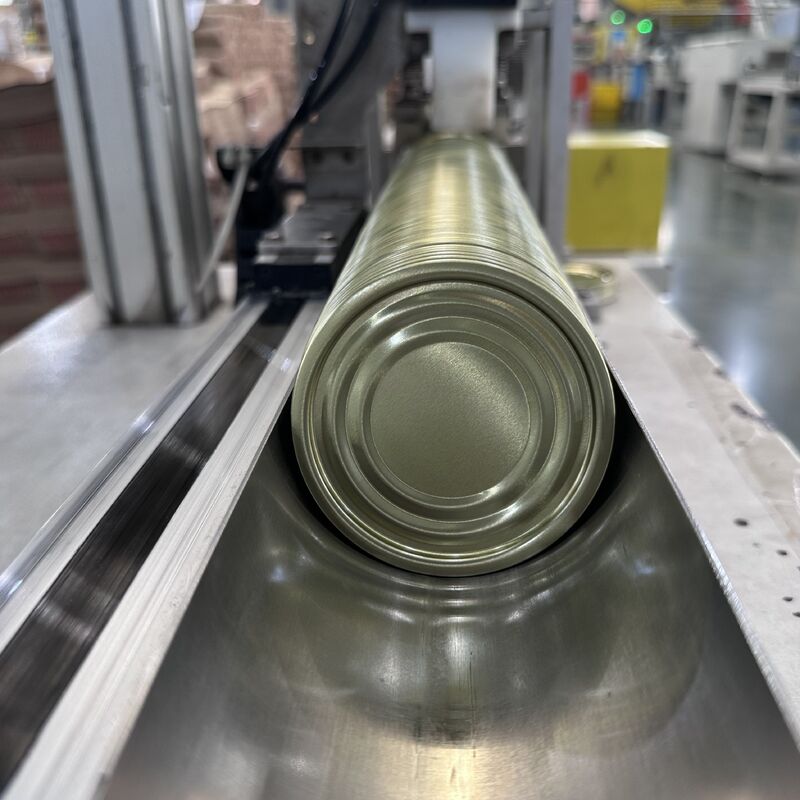
Keamanan dan umur panjang kemasan logam bergantung sepenuhnya pada integritas struktural komponen penutupnya. Substrat koil Tinplate khusus kami diproses dengan presisi ekstrem untuk menghasilkan ujung dan dasar kaleng bulat yang berfungsi sebagai lapisan pertahanan penting untuk pengawetan makanan. Direkayasa secara khusus sebagai bahan dasar kaleng makanan, ujung logam ini dirancang untuk membentuk segel kedap udara dan tahan bahan kimia pada jalur pengalengan otomatis. Dengan memanfaatkan teknologi pelapisan timah elektrolitik yang canggih, baja rendah karbon dilapisi secara seragam dengan timah metalik halus, sehingga menciptakan struktur komposit tangguh yang menjaga isinya tetap terisolasi dari degradasi lingkungan.
Tidak seperti komponen kemasan konvensional yang rentan terhadap reaksi kimia dari senyawa organik, makanan kita pada akhirnya dapat memberikan sifat penghalang yang luar biasa terhadap formulasi produk internal dan kelembapan eksternal. Bahan tersebut mengalami proses pasivasi kimia khusus yang mencegah pengupasan asam, penghitaman sulfur, dan oksidasi. Hal ini menjadikannya solusi ideal untuk menutup wadah berisi buah-buahan tropis yang sangat asam, sayuran basa, atau protein asin. Baik digunakan sebagai penutup atas atau bagian bawah kaleng yang kuat, komponen-komponen ini memastikan stabilitas penyimpanan jangka panjang tanpa memengaruhi profil warna, aroma, atau rasa produk makanan yang dibungkus.
Fitur Produk Inti
Makanan kami pada akhirnya dapat mencapai kinerja lapangannya melalui teknik metalurgi yang ditargetkan dan kimia permukaan khusus:
- Lapisan Terisolasi Asam dan Alkali: Dirancang langsung sebagai bahan kaleng makanan canggih, inti baja dilindungi oleh sistem pernis organik yang mencegah serangan kimia dari pasta tomat yang sangat asam, bahan jeruk, dan air garam basa.
- Ketahanan Korosi terhadap Kelembapan Sekitar: Perlindungan ganda dari lapisan timah metalik dan film pasivasi kromium pasca-pelapisan menghalangi kelembapan dan oksigen, mencegah pembentukan karat selama pengiriman laut jarak jauh dan penyimpanan gudang yang lembab.
- Jahitan dan Pengeritingan Mekanis yang Sempurna: Substrat menunjukkan struktur butiran yang dioptimalkan dan kekuatan tarik yang seimbang, memungkinkan ikal luar berubah bentuk dengan sempurna menjadi lapisan ganda pada garis jahitan berkecepatan tinggi tanpa retak atau pecah.
- Integritas Retort Suhu Tinggi: Logam di bawahnya dan lapisan pelindung internal menjaga stabilitas absolut selama proses sterilisasi termal bertekanan tinggi (melebihi 121°C), memastikan tidak ada lepuh, pengelupasan, atau kegagalan segel.
Matriks Spesifikasi Teknis
| Parameter Teknis | Rentang Spesifikasi & Standar Industri |
| Bentuk Bahan Dasar | Electrolytic Tinplate (SPTE) diproses dari Tinplate Coil |
| Aplikasi Komponen | Tutup Kaleng Bulat Sanitasi / Ujung Bawah Kaleng Universal |
| Diameter Standar | 50mm, 52mm, 73mm, 83mm, 99mm, 153mm |
| Ketebalan Bahan | 0,16mm – 0,28mm |
| Massa Lapisan Timah (g/m²) | 2.8/2.8, 5.6/5.6, 2.8/5.6 |
| Kimia Pelapisan Internal | Pasta Aluminium Organosol, Epoksi-fenolik, Tahan Belerang |
| Gaya Penyelesaian Eksternal | Pernis Pelindung Bening dan Polos, Pernis Emas Mengkilap Tinggi, CMYK Litografik |
| Kelas Temper Mekanik | T2, T3, T4, T5, DR8, DR9 |
| Kepatuhan Kualitas | ISO 11950:1995, JIS G3303, ASTM A623 |

Mengapa Pelanggan Bermitra Dengan Kami
Merek makanan global dan pabrik pengalengan memilih komponen kemasan kami karena kami memberikan keseragaman bahan yang mutlak dan prediktabilitas batch-to-batch. Kami mengontrol proses produksi mulai langsung dari koil Tinplate mentah, menggunakan mesin perata tegangan canggih untuk memastikan lembaran logam rata sempurna sebelum proses pencetakan dimulai. Kontrol terhadap kerataan ini menjamin bahwa setiap ujung memiliki dimensi ikal yang seragam dan penempatan kompon lapisan yang akurat, mencegah kemacetan saluran dan mengurangi waktu henti pada saluran pelipit otomatis berkecepatan tinggi.
Selain itu, kami menggunakan sistem deteksi optik otomatis untuk memeriksa geometri keriting dan konsistensi pernis sebelum pengemasan. Lapisan pernis internal khusus kami disesuaikan secara khusus dengan kimia makanan yang berbeda, menghilangkan masalah seperti besi sulfida yang menghitam pada daging dan makanan laut berprotein tinggi, atau korosi asam pada produk acar. Dengan memilih bahan kami, produsen dapat mencapai kedap udara jahitan yang optimal, menurunkan tingkat kerusakan keseluruhan, dan memastikan keamanan produk secara keseluruhan di seluruh rantai pasokan supermarket global.
Pertanyaan yang Sering Diajukan (FAQ)
Q1: Bagaimana ujung kaleng Anda bisa menolak makanan dengan kandungan asam tinggi seperti nanas kalengan atau tomat? A1: Untuk aplikasi makanan dengan asam tinggi, kami menggunakan bahan kaleng makanan dengan kemurnian tinggi yang dilapisi dengan pernis internal epoksi-fenolik atau organosol tebal di atas dasar massa timah yang berat. Sistem pelindung dua lapis ini bertindak sebagai penghalang kimia inert, menghalangi asam organik bersentuhan dengan inti baja dan mencegah korosi lubang jarum atau migrasi rasa logam.
Q2: Apa keuntungan menggunakan lapisan timah diferensial pada kumparan pelat timah yang mendasarinya? A2: Pelapis diferensial memungkinkan kami menerapkan lapisan timah yang lebih berat di sisi dalam (misalnya, 5,6 g/m²) untuk menahan bahan kimia makanan yang agresif, sementara menggunakan lapisan timah yang lebih ringan dan lebih ekonomis di sisi luar (misalnya, 2,8 g/m²) untuk menangani kelembapan eksternal dan mencegah karat, sehingga mengoptimalkan biaya produksi secara keseluruhan.
Q3: Dapatkah ujung 99mm dan 153mm Anda menangani sterilisasi retort suhu tinggi? A3: Ya, tentu saja. Produk kami dirancang untuk tahan terhadap proses sterilisasi komersial standar yang mencapai suhu hingga 121°C dan lebih tinggi lagi di bawah tekanan. Senyawa penyegel khusus dan pernis internal diawetkan secara termal untuk memastikan tidak melepuh, terkelupas, atau kehilangan daya rekat selama atau setelah pemrosesan.
Q4: Bagaimana ujung kaleng bulat ini dikemas untuk mencegah kerusakan saat transit dan korosi? A4: Ujung-ujungnya disusun menjadi barisan yang padat dan seragam di dalam kantong pelindung yang bersih dan bebas debu. Selongsong ini kemudian dikemas ke dalam karton ekspor bergelombang tugas berat, ditumpuk di atas palet kayu difumigasi yang diperkuat, dan dibungkus seluruhnya dengan film menyusut penghambat korosi uap (VCI) yang tahan lembab untuk transportasi laut.


 Pesan Anda harus antara 20-3.000 karakter!